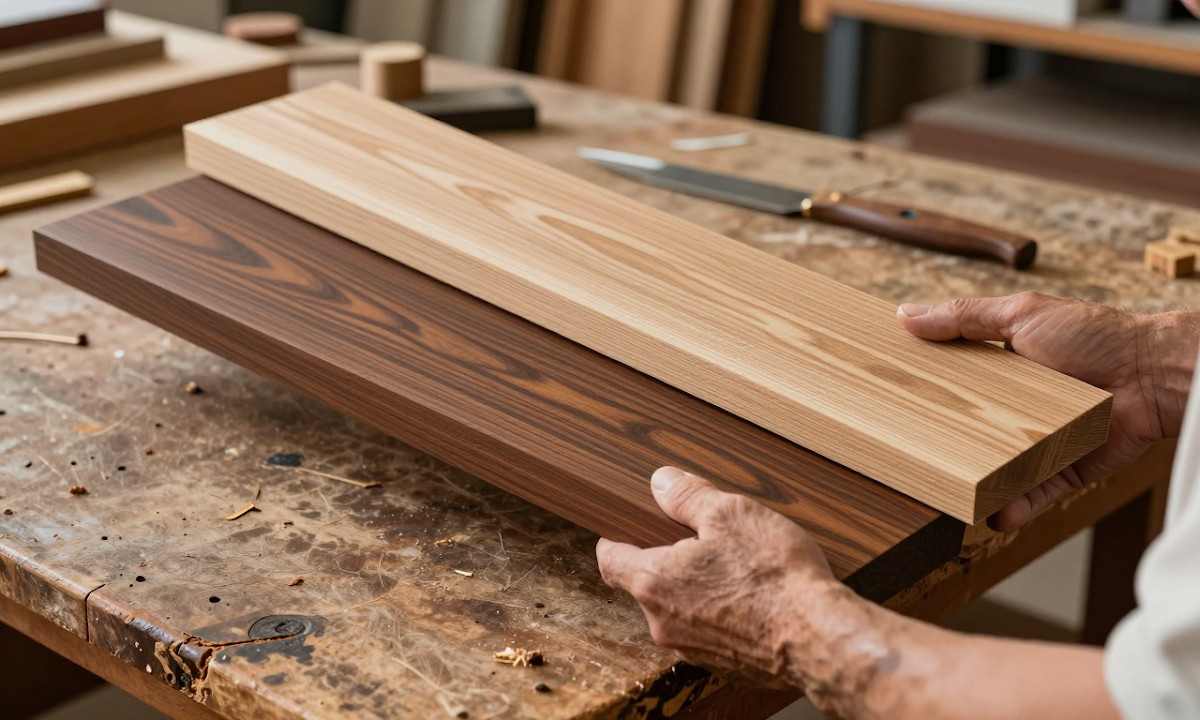
Choosing the right hardwood boat species is one of the most important decisions you will make when starting your maritime woodworking journey. Many hobbyists find it overwhelming to choose between dozens of timber options that all look promising on paper.
When building a small vessel, the wood must do more than just look beautiful; it needs to withstand constant moisture and physical stress without warping or splitting. Selecting the perfect material ensures your boat remains structurally sound for years of exploration on the water.
In this guide, we will explore the best durable wood for boats and how different hardwoods behave in marine environments. You will learn about moisture-resistant options, how to match your timber to specific woodworking boat plans, and the essential steps for preparing these sturdy woods for life on the waves.
In this article:
- Characteristics of hardwood boat species
- Durable woods for small hulls
- Moisture resistant hardwood options
- Selecting wood based on boat plans
- Preparing hardwoods for marine use
- Frequently Asked Questions
- Final Thoughts
Characteristics of hardwood boat species
When choosing materials for your next project, understanding why specific hardwood boat species stand out is essential. While softwoods like pine are often used for large-scale structures, hardwoods provide a unique set of advantages for smaller vessels.
One of the primary reasons builders choose these woods is their density. Hardwood typically has a tighter grain structure, which allows it to withstand the constant pressure of water and the physical impact of waves. This makes them an excellent choice for durable wood for boats that need to maintain their shape over years of use.
Hardwoods also offer superior structural integrity compared to many softwoods. Because the fibers are packed more closely together, they can support more weight without warping or twisting easily. For a small boat builder, this means you can achieve a sturdy hull that feels solid under your feet and remains stable in choppy water.
Fine Texture and Workability
Many hardwood boat species are prized for their smooth finish. Because the grain is so refined, these woods take on beautiful patterns that highlight the craftsmanship of the build. They also respond exceptionally well to various woodworking tools, making them a favorite for those following detailed woodworking boat plans.
Longevity and Surface Detail
Hardwoods are generally less prone to denting than softer alternatives. This durability means that your small boat wood will retain its crisp edges and polished surfaces even after repeated use. Additionally, the rich colors and textures of hardwood add a level of sophistication that makes every handcrafted vessel feel like a piece of art.
Consistency in Marine Environments
A key characteristic of these woods is how they handle moisture. While some hardwoods can be heavy, their ability to resist compression makes them reliable for intricate joinery. This reliability ensures that the various components of your boat stay aligned as the wood breathes and moves with the water.
Durable woods for small hulls
When selecting the right hardwood boat species for a small hull, you must balance structural strength with manageable weight. For smaller vessels, choosing a wood that provides excellent integrity without making the boat too heavy to maneuver is essential.
Oak: The Structural Workhorse
Oak is one of the most reliable choices for hardwood boat building because of its incredible density and grain structure. It offers a high level of structural integrity, which makes it perfect for frames, ribs, and thick planking that needs to withstand constant pressure.
While oak can be heavier than some other options, its weight distribution is often very predictable. In small hulls, using oak ensures that the "skeleton" of the boat remains rigid even as it moves through choppy water. It provides a sense of permanence and stability for those who want a rugged, traditional feel.
Maple: The Balanced Contender
If you are looking for durable wood for boats that feels slightly more refined than oak, maple is an excellent alternative. Maple is known for its smooth texture and ability to hold sharp edges, which makes it a favorite for intricate details in small boat designs.
Maple provides a great balance between strength and weight distribution. Because it is slightly lighter than many dense oaks, it allows the hull to remain sturdy without becoming cumbersome. It works beautifully in areas where you need a consistent thickness across the surface of the wood.
Comparing Weight and Strength
Choosing between these two depends on your specific woodworking boat plans. If your design requires heavy-duty support for a large seating area, oak might be your best bet. If your goal is a sleek, balanced hull that glides easily with minimal effort, maple offers a wonderful compromise.
Moisture resistant hardwood options
When selecting hardwood boat species for smaller builds, moisture resistance is just as important as structural integrity. You need a wood that can withstand constant contact with water without warping, shrinking, or losing its beautiful grain patterns.
Cherry and Walnut in Small Boat Building
Cherry and walnut are two of the most popular choices for those looking to balance aesthetics with practical durability. Both woods offer a rich, sophisticated look that makes them ideal for small boat wood projects where every detail is visible.
Cherry is known for its smooth texture and its ability to develop a deep, warm glow over time. It reacts beautifully to sunlight and finishes, making it an excellent choice for the interior of a small rowboat or a sleek canoe.
Walnut provides a darker, more dramatic contrast with distinct grain patterns. Because it is slightly denser than cherry, it handles the stresses of hardwood boat building exceptionally well while maintaining its luster even when wet.
Comparing Aesthetics and Water Resistance
While both woods are excellent choices, they offer different experiences for the builder. Cherry tends to be a bit more forgiving during the carving process because it is relatively easy to work with by hand.
Walnut provides a stunning "prestige" look that requires less heavy staining since its natural colors are so vibrant. For durable wood for boats, walnut often holds up slightly better against minor dents and scratches in high-traffic areas of the hull.
- Cherry is perfect for projects where you want a classic, reddish-brown finish that ages gracefully.
- Walnut is ideal for small vessels where you want a bold, chocolatey tone and high structural stability.
- Both species pair beautifully with various woodworking boat plans, whether you are building a flat-bottomed skiff or a curved dinghy.
Selecting wood based on boat plans
When you begin your next project, selecting the right hardwood boat species depends heavily on the specific geometry of your design. Every small scale boat has unique curves and flat surfaces that interact with the wood grain in different ways.
Matching Grain to Geometry
For boats with long, sweeping curves like a skiff or a rowboat, you want a hardwood that handles "bending" without splintering. A wood with a consistent, straight grain allows the hull to maintain its shape as it moves through the water. When following woodworking boat plans, look for species that offer a balance between flexibility and strength.
If your design features sharp angles or complex interlocking joints, choose a hardwood that is less prone to warping. These woods provide stability in the structural ribs and frames of the vessel. A stable grain ensures that as the wood seasons over time, the small boat stays symmetrical rather than twisting out of alignment.
Visual Flow and Texture
The visual flow of the grain also plays a major role in the final aesthetic of your build. For flat-bottomed boats, a wide grain pattern can highlight the expansive surface area of the hull. In contrast, narrow, dense grains work beautifully for tapered bows where the wood must transition from wide to thin.
To get the best results when following woodworking boat plans, consider these tips:
- Match the grain direction to the primary path of the curve to ensure smooth water flow.
- Use denser hardwoods for high-impact areas like the gunwales and the keel.
- Select woods with fine textures for smaller details like oarlocks and seats to prevent them from feeling bulky.
By aligning your chosen hardwood boat species with the specific lines of your design, you create a vessel that is both structurally sound and visually harmonious.
Preparing hardwoods for marine use
Choosing the right hardwood boat species is only the first step in your journey. To ensure your small wood vessel stands up to the elements, you must prepare the timber correctly before it ever touches the water.
The Importance of Seasoning
Raw hardwood can contain a significant amount of internal moisture. If you build a boat with "green" wood, it will shrink and warp as it dries out, potentially causing your hull to crack or twist.
Seasoning is the process of drying the wood slowly to reach an equilibrium moisture content. For marine projects, aim for a stable state where the wood no longer loses significant weight or changes shape when moved from the workshop to the outdoors.
Optimizing Grain Orientation
How you orient the grain significantly impacts the structural integrity and beauty of your small boat wood. Generally, longitudinal grains provide the best strength for long planks used in hull sides.
When following woodworking boat plans, pay close attention to how the grain flows across curves. Proper orientation ensures that the wood expands and contracts uniformly, preventing the seams from opening up too quickly.
Finishing Techniques for Wet Environments
Hardwood is naturally sturdy, but it requires a proper finish to repel water and resist rot. A high-quality marine finish seals the pores of the hardwood boat species, allowing water to bead off rather than soaking into the fibers.
Consider these common finishing methods for small boats:
- Apply multiple thin coats of varnish or oil to allow the wood to breathe while maintaining a protective barrier.
- Use a wax finish to give your hull a smooth, tactile feel that highlights the natural texture of the hardwood.
- Ensure every surface is sanded perfectly smooth before applying the final coat to prevent dust from getting trapped in the grain.
Frequently Asked Questions
Which hardwood is best for a small wooden boat?
While there is no single perfect wood, many builders prefer oak or mahogany as primary hardwood boat species because they balance strength with beauty. Oak offers excellent durability for hulls, while mahogany provides a classic finish. When choosing the best small boat wood, consider your budget and how much time you want to spend on sanding and finishing.
Final Thoughts
Choosing the right hardwood boat species is the foundation of a successful maritime project. By focusing on durability, moisture resistance, and grain consistency, you ensure your small craft can withstand the elements for years to come.
Key Takeaways
- Select a hardwood that balances weight and strength to keep your small boat wood manageable.
- Prioritize species known for their ability to resist warping and rotting in wet environments.
- Match your specific woodworking boat plans with the unique characteristics of each timber type.
Ready to start your journey? Tonight, spend a few minutes browsing different hardwood options online or at a local lumber yard to find the one that inspires you most.


